
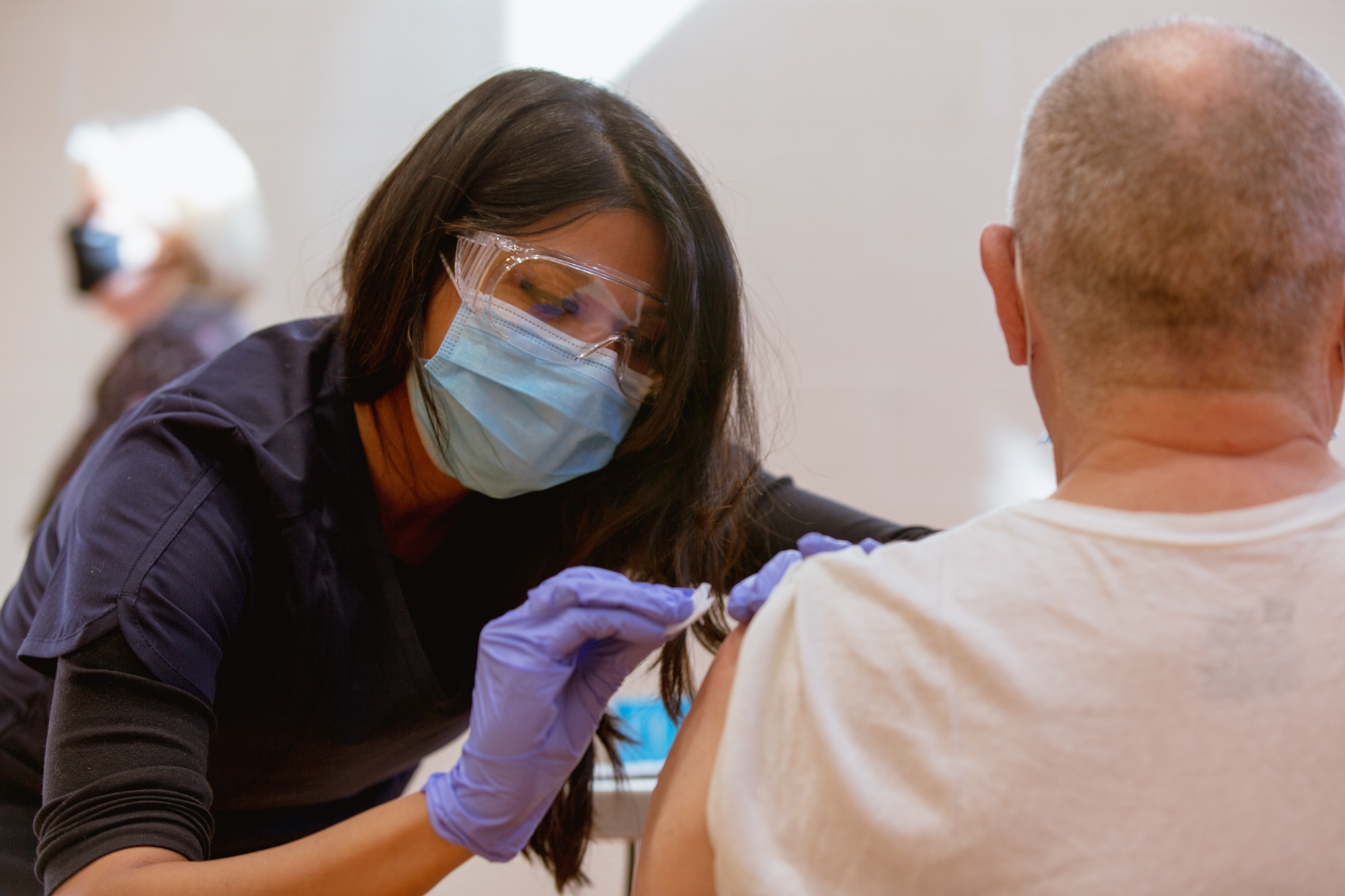
Yes, adults over 65 need several important vaccines to protect against serious illnesses. The CDC recommends that seniors get the flu shot annually, pneumococcal vaccines to prevent pneumonia, the shingles vaccine, and the Tdap booster for tetanus, diphthus, and pertussis.
Some may also need hepatitis, meningococcal, or travel vaccines depending on their health conditions and lifestyle. Your immune system weakens with age, making these vaccines critical for preventing infections that can lead to hospitalization or death.
Annual and Seasonal Vaccines for Seniors
Influenza Vaccine (Flu Shot)
Adults 65 and older should get a flu shot every year, preferably in early fall. The CDC reports that seniors account for 70-85% of flu-related deaths each year. Two special high-dose flu vaccines are designed specifically for older adults: Fluzone High-Dose and Fluad Adjuvanted.
These enhanced vaccines provide better protection than regular flu shots because they create a stronger immune response. The flu can lead to pneumonia, hospitalization, and even death in older adults, making this annual vaccine essential.
COVID-19 Vaccines and Boosters
The CDC recommends that adults 65 and older stay current with COVID-19 vaccines. Seniors face higher risks of severe illness, hospitalization, and death from COVID-19 compared to younger adults.
Updated boosters are released annually to match current variants. Talk to your doctor about the recommended schedule based on your last vaccine dose and overall health status.
Pneumococcal Vaccines for Pneumonia Prevention
Two Types of Pneumococcal Vaccines
Adults 65 and older need pneumococcal vaccines to prevent pneumonia, meningitis, and bloodstream infections. There are two main types:
- PCV15 or PCV20 (pneumococcal conjugate vaccines)
- PPSV23 (pneumococcal polysaccharide vaccine)
According to the CDC, pneumococcal disease kills thousands of seniors each year. Most adults need either one or two doses depending on which vaccine they receive first.
Vaccination Schedule
If you receive PCV20, you only need one dose. If you receive PCV15, you’ll need a second dose of PPSV23 one year later. Your doctor will recommend the best schedule based on your vaccination history.
People with weakened immune systems, chronic health conditions, or missing spleens may need additional doses. Check with your healthcare provider about your specific needs.
Shingles and Tetanus Protection
Shingles Vaccine (Shingrix)
The shingles vaccine is recommended for all adults 50 and older, but it’s especially important after 65. Shingles causes a painful, blistering rash that can lead to long-term nerve pain called postherpetic neuralgia.
Research from the National Institutes of Health shows that Shingrix is over 90% effective at preventing shingles. You need two doses given 2-6 months apart. Even if you’ve had shingles before, you should still get vaccinated to prevent future outbreaks.
Tdap and Td Boosters
Adults need a tetanus and diphtheria booster (Td) every 10 years. If you haven’t had a Tdap vaccine (which includes pertussis/whooping cough protection), get one dose to replace a Td booster.
Tetanus can enter your body through cuts or wounds and causes severe muscle stiffness. Pertussis is highly contagious and can be dangerous for seniors with respiratory conditions. These vaccines are quick, safe, and provide essential protection.
Additional Vaccines Based on Health and Lifestyle
Hepatitis A and B Vaccines
Adults with chronic liver disease, diabetes, or certain other health conditions should get hepatitis A and B vaccines. Hepatitis B can cause liver damage, cirrhosis, and liver cancer.
The hepatitis A vaccine requires two doses six months apart. Hepatitis B requires three doses over six months. A combination vaccine called Twinrix covers both and requires three doses.
RSV Vaccine for High-Risk Seniors
The CDC now recommends RSV (respiratory syncytial virus) vaccines for adults 60 and older. RSV causes serious respiratory infections that can lead to pneumonia and hospitalization in seniors.
You only need one dose of the RSV vaccine. Talk to your doctor about whether this vaccine is right for you based on your age and health status.
Travel and Special Situation Vaccines
If you travel internationally, you may need additional vaccines like:
- Yellow fever for travel to Africa or South America
- Typhoid for travel to developing countries
- Meningococcal vaccines for certain destinations
- Japanese encephalitis for travel to Asia
Ask your doctor at least 4-6 weeks before travel to ensure you have time for all necessary vaccines.
Final Thoughts
Staying current with vaccines after 65 is one of the most important steps you can take to protect your health. These vaccines prevent serious illnesses that can lead to hospitalization, long-term complications, or death in older adults.
Create a vaccination schedule with your doctor and keep a record of all vaccines you receive. For personalized guidance on which vaccines you need based on your health history, contact Greenleaf Pharmacy for expert support and vaccination services.