
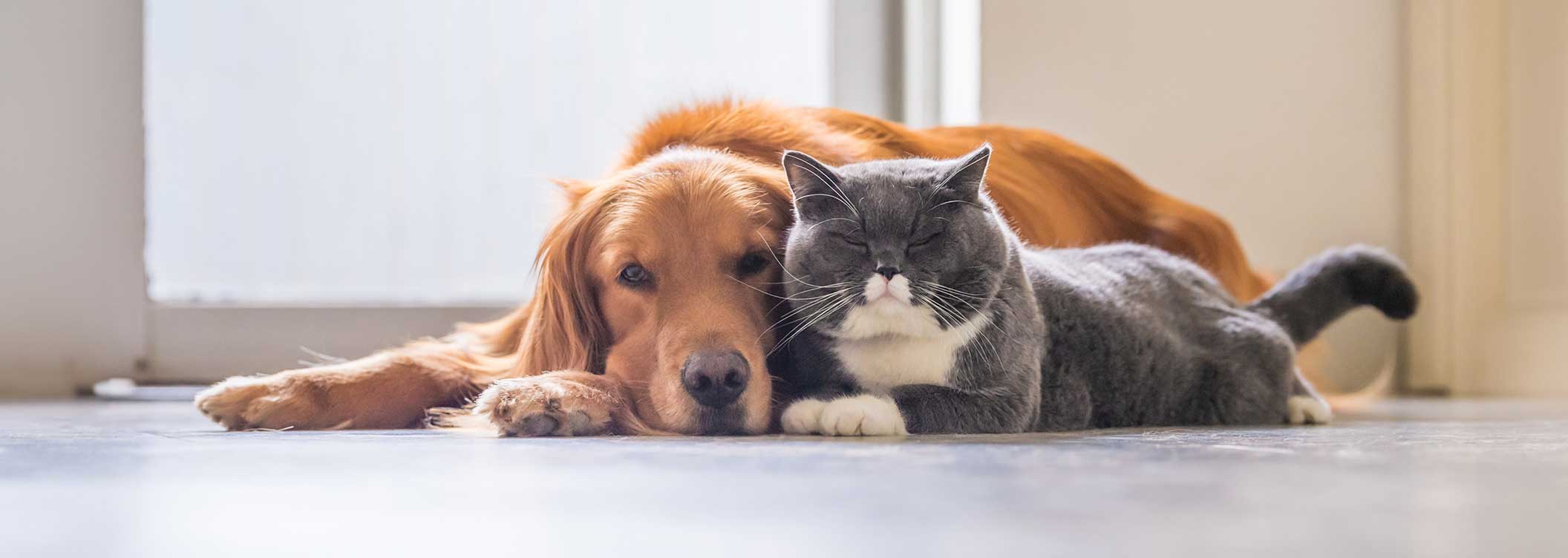
You can get your pet to take pills even if they keep refusing them. There are many simple tricks that work, like hiding medicine in tasty treats, using special pill tools, or asking your vet about flavored medicines made just for pets.
If your furry friend spits out pills or runs away when medicine time comes, you’re not alone. About 25% of cat owners can’t give some of their pet’s medicine doses, and many dog parents face the same problem. This guide will show you easy ways to help your pet take their medicine without all the stress and fuss.
Why Your Pet Refuses Pills
They Can Smell and Taste the Medicine
Dogs and cats have much stronger noses than people do. They can smell medicine hiding in food from far away. Many pills taste bitter or chalky. Your pet doesn’t know the pill will help them feel better. They just know it tastes bad.
They Remember Bad Experiences
If your pet had a bad time taking pills before, they’ll remember. They might start hiding when they see you open the pill bottle. Some pets even learn to connect certain sounds, like the pop of a pill packet, with medicine time.
It Feels Scary to Them
Having someone put things in their mouth can feel scary to pets. Cats especially don’t like this. Dogs might not understand why you’re doing it.
Hide Pills in Food Your Pet Loves
Best Foods for Hiding Dog Pills
The trick is to use something sticky that will hold the pill and smell really strong. Here are foods that work great:
- Peanut butter (make sure it has no xylitol, which hurts dogs)
- Cream cheese or regular cheese
- Lunch meat like turkey or ham
- Canned dog food
- Hot dogs
- Liverwurst
- Mashed sweet potato
Best Foods for Hiding Cat Pills
Cats can be pickier than dogs. Try these:
- Canned cat food (the stinkier, the better)
- Tuna
- Cheese
- Butter
- Baby food (meat flavors, no onions or garlic)
The Three-Treat Trick
This works really well. Give your pet a treat with no pill first. Praise them a lot! Then give the treat with the pill inside. Finally, give another treat without a pill. This helps your pet not focus on the middle treat that has medicine.
Use Competition Between Pets
If you have more than one dog at home, use their natural competition. Give out treats to all your dogs at once. Put the pill in one treat for the dog who needs it. Dogs eat faster when other dogs are around, so your dog will gulp down the medicated treat without noticing.
Special Products That Make It Easier
Pill Pockets and Pill Wraps
These are soft treats made just for hiding pills. They have a hole in the middle. You push the pill in and close the treat around it. Most pets think they’re getting a yummy snack.
Popular options include:
- Greenies Pill Pockets (sold at vet offices and pet stores)
- Camo Pill (bacon-flavored paste)
- EZ-Med Pill Holes (hickory smoked flavor)
Empty Gel Capsules
Some medicines taste very bitter even when hidden in food. You can buy empty gel caps and put the tablet inside. The gel cap covers the bad taste completely. Just check with your vet first to make sure the pill can go in a capsule.
Pill Crushers
If your vet says it’s okay to crush the pill, this makes hiding it much easier. You can:
- Mix the crushed pill with wet food
- Put it in peanut butter
- Add it to a small amount of gravy
Never crush pills without asking your vet first. Some medicines need to stay whole to work right.
Direct Pill-Giving Methods
Using Your Hands
Sometimes you need to put the pill directly in your pet’s mouth. Here’s how:
- Sit next to your pet when they’re calm
- Hold their head gently but firmly
- Put your hand between their upper and lower teeth near the back
- Open their mouth and place the pill far back on their tongue
- Close their mouth quickly
- Stroke their throat gently to help them swallow
- Give them water right after
Always give water or a treat after using this method. Pills can get stuck in the throat if your pet doesn’t swallow them all the way down.
Pill Guns and Pill Pushers
A pill gun looks like a straw with a plunger. It lets you put the pill far back in your pet’s throat without losing your fingers. These work great for small dogs and most cats.
How to use a pill gun:
- Put the pill in the end
- Open your pet’s mouth
- Push the tool to the back of their mouth (don’t jab it)
- Press the plunger to release the pill
- Give water right away
Important: Make pill time positive. Give treats after using a pill gun. This helps your pet not hate it.
Smart Tricks That Really Work
The Fake-Out Method
Pretend you’re going to eat the medicated treat yourself. Raise it to your mouth and fake chew. Make your dog really want it. After about a minute, give it to your dog. They’ll think they won the lottery and gulp it down fast.
The Catch Game
Take out several treats. Hide the pill in one of them. Play catch with your pet, tossing treats for them to catch in the air. They’ll be so focused on the game that when you toss the treat with the pill, they won’t notice.
The Sneaky Drop
Prepare the medicated treat ahead of time and keep it in the fridge. Later, while making dinner, “accidentally” drop it on the floor. Your pet will think they scored a free snack.
The Paw Trick for Crushed Pills
Most dogs hate having things on their paws. Mix crushed medicine with peanut butter and put a dab on your dog’s paw. They’ll lick it off to clean their paw, getting their medicine at the same time.
Hide the Prep Work
If your pet sees or hears you preparing medicine, they’ll get suspicious. Do all the prep work in another room. Then come out acting normal and offer the treat.
When Food Tricks Don’t Work
Ask About Liquid Medicine
Many pills come in liquid form too. Liquids can be easier to give with a syringe. Ask your vet if this option exists for your pet’s medicine.
To give liquid medicine:
- Measure the dose carefully
- Put the syringe in the side of your pet’s mouth
- Aim toward the back
- Squirt it slowly so they don’t choke
- Let them swallow between squirts
Try Flavored Chewable Pills
About 7.6% of pet owners use chewable medications, and these get positive feedback. Many medicines now come as tasty chewable tablets. They taste like treats. Ask your vet if your pet’s medicine comes in this form.
Consider Injectable Medicine
Some medicines can be given as shots instead. Your vet can teach you how to give injections at home, or you can bring your pet to the vet office for shots.
Special Solutions: Compounded Medications
What Is Pet Compounding?
Compounding pharmacies can customize medicine into specific doses and forms that are easier to give to pets. They can turn pills into:
- Flavored liquids
- Soft chews that taste like treats
- Transdermal gels that go on the skin
- Flavored pastes
- Tablets that melt on the tongue
Popular Flavors for Pets
Common flavor enhancers include beef, chicken, fish, peanut butter, and banana. The pharmacy can make medicine taste like something your pet already loves.
When to Consider Compounding
Think about compounded medicine if:
- Your pet refuses all pills
- The dose your pet needs isn’t available
- Your pet has allergies to ingredients in regular pills
- You need to give multiple medicines (they can combine them into one)
- The medicine your pet needs has been discontinued
Talk to your veterinarian about veterinary medications compounding options. Many pharmacies like Greenleaf Pharmacy offer compounding services that can help make giving medicine much easier.
How to Get Compounded Medicine
- Ask your vet if compounding would help
- Your vet sends a prescription to a compounding pharmacy
- Tell the pharmacy what flavors your pet likes
- The pharmacy makes the custom medicine
- You pick it up or they mail it to you
Note: Compounded medicines cost more than regular pills. But if it means your pet actually takes their medicine, it’s worth it.
Tips for Success
Create a Positive Experience
About 12% of posts from pet owners mention anxiety about giving medicine. Your pet can feel when you’re stressed. Stay calm and positive.
Always:
- Use a happy, cheerful voice
- Give lots of praise
- Reward with treats or play after medicine time
- Keep medicine time short and sweet
- Never yell or get angry
Pick the Right Time
Wait until your pet is relaxed before giving medicine. Try after a long walk or playtime when they’re tired and calm.
Good times to give medicine:
- Right before meal time (if medicine can be given with food)
- After exercise when they’re tired
- During their regular treat time
- Before bed
Bad times:
- When your pet just woke up
- When visitors are over
- When your pet is already anxious
Follow Medicine Rules
Some medicines have special rules. Always listen to your vet’s instructions about:
- Whether to give with food or on an empty stomach
- What time of day to give it
- How long between doses
- Whether the pill can be crushed or opened
Antibiotics must be given until all pills are gone, or they won’t work as well. Never stop early even if your pet seems better.
Keep a Schedule
If your pet needs medicine every day, stick to the same time. This helps you remember and helps your pet know what to expect. Set a phone alarm if you need to.
Safety Tips You Must Know
Never Use Human Medicine
Many common human medicines are toxic to pets, including acetaminophen (Tylenol), ibuprofen, and some others. Only give medicine prescribed by your vet.
Watch for Bad Reactions
Call your vet right away if your pet:
- Vomits after taking medicine
- Acts very tired or weak
- Won’t eat or drink
- Has trouble breathing
- Drools a lot or foams at the mouth
- Gets worse instead of better
Store Medicine Safely
Keep all medicines:
- In a cabinet pets can’t reach
- Away from food
- In their original bottles
- With the cap closed tight
If You Miss a Dose
If you forget a dose, call your vet and ask what to do. Usually you can:
- Give it as soon as you remember
- Skip it if it’s almost time for the next dose
- Never give two doses at once
What to Do When Nothing Works
Talk to Your Vet
If you’ve tried everything and your pet still won’t take medicine, tell your vet. Don’t just stop giving the medicine. Your vet might:
- Switch to a different form of the medicine
- Try a different medicine that does the same thing
- Show you new techniques
- Offer to have your pet stay at the clinic for a few days while they need medicine
Get Help from a Vet Tech
Ask if a veterinary technician can come to your house to help you give injections or pills. Some offer this service for a fee.
Consider Transdermal Gels
Some medicines can be made into gels that you rub on your pet’s skin, usually inside the ear flap. The medicine absorbs through the skin. This completely avoids the mouth. Learn more about transdermal gels for pets.
Try Professional Boarding
For short-term medications (a week or two), some vet offices will board your pet and give all medicines for you.
Special Tips for Cats vs. Dogs
Cats Are Different
Cats need special handling. They’re often harder to pill than dogs because:
- They’re smaller and squirmier
- They remember bad experiences longer
- They can smell medicine really well
- They often refuse food with pills in it
About 39.5% of cat owners give tablets directly in their cat’s mouth instead of hiding them in food.
Cat-specific tips:
- Wrap your cat in a towel (called a “burrito wrap”)
- Have someone help hold your cat
- Use tuna juice to hide liquid medicine
- Try putting paste medicine on their paw
- Consider chewable medications for pets with fish flavors
Dogs Are Usually Easier
Most dogs are more food-motivated than cats. They’re often willing to eat treats with pills inside. But some dogs are too smart and eat around the pill.
Dog-specific tips:
- Use the competition method if you have multiple dogs
- Play the catch game
- Hide pills in smelly meats
- Try custom flavoring for pets to make medicine taste like bacon or beef
Common Mistakes to Avoid
Don’t Give Up Too Fast
Just because one method didn’t work doesn’t mean others won’t. Try at least 3-4 different tricks before asking for help.
Don’t Skip Doses
Missing doses can make your pet’s illness worse or make the medicine stop working. If you’re having trouble, tell your vet right away instead of just skipping doses.
Don’t Get Frustrated
Anxiety and fear are common when giving pet medicine. Your pet can tell when you’re upset, which makes them more stressed too. Take a break if you need to and try again later.
Don’t Use Unsafe Foods
Avoid these foods for hiding pills:
- Anything with xylitol (toxic to dogs)
- Chocolate
- Grapes or raisins
- Onions or garlic
- Avocado
- Macadamia nuts
Don’t Crush Pills Without Permission
Crushing tablets or opening capsules is not allowed unless your vet says it’s okay or the medicine label says you can. Some pills have special coatings that help them work right.
Resources and Support
Where to Get Help
Your vet and their team are your best resource. Most vet offices will:
- Show you how to give pills
- Let you practice at the office
- Answer questions anytime
- Offer different medicine forms
You can also check with pet care specialists and pharmacies that focus on veterinary medications.
Online Support
About 53.6% of cat owners have looked online for advice on giving medicine. There are many videos and articles that show different techniques. Just make sure the information comes from vets or trusted sources.
Medication Counseling
Some pharmacies offer medication counseling where a pharmacist can explain the best way to give each type of medicine.
Final Thoughts
Giving medicine to a pet who refuses pills can feel really hard. But with patience and the right tricks, most pets can learn to take their medicine. The key is finding what works for your unique pet.
Start with the easiest methods first, like hiding pills in tasty treats. If those don’t work, try the smarter tricks like the catch game or fake-out method. And if nothing works, talk to your vet about other options like flavored liquids, chewables, or compounded medicines.
Remember that your pet needs their medicine to feel better. It’s worth taking the time to find a method that works. Your vet is always there to help you figure it out.
Don’t be afraid to ask for help. Vets and vet techs give medicine to difficult pets every day. They know lots of tricks and are happy to teach you. With the right approach, medicine time can become stress-free for both you and your furry friend.
For more support with specialized dosages for pets or pain relief for pets, talk to your veterinarian or a compounding pharmacy that understands pet medication needs.