
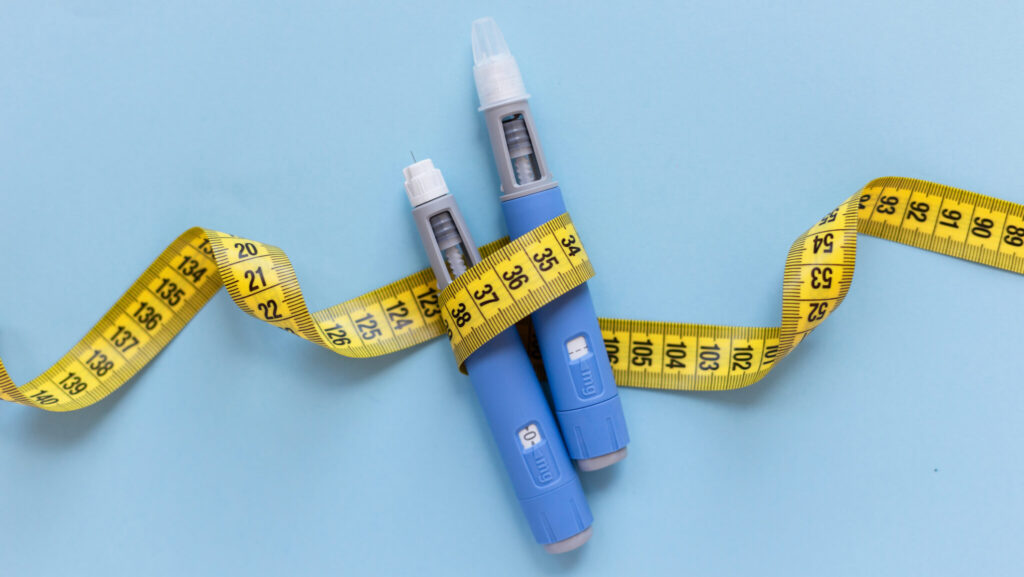
Weight loss medications can cause side effects. The most common ones are stomach problems like nausea, vomiting, diarrhea, and constipation. About half of people who take these medicines feel some discomfort. Most side effects are mild and go away after a few weeks. But some people have more serious problems like gallbladder disease or kidney issues.
This article will help you understand what to expect from weight loss medications. You’ll learn about common side effects, serious risks, and how to manage symptoms. We’ll also cover who should avoid these drugs and what you can do to stay safe.
What Are the Most Common Side Effects?
Stomach and Digestive Problems
Stomach issues are the number one complaint from people taking weight loss drugs. About 44% of people get nausea when they start treatment. Diarrhea happens in about 30% of users. Constipation affects around 24% of patients.
These problems happen because the medicine slows down your digestion. Your stomach takes longer to empty after you eat. This makes you feel full faster, which helps you eat less. But it also causes gas, bloating, and heartburn.
The good news is these symptoms usually get better with time. Most people feel normal again after the first month. Your body needs time to get used to the new medicine.
Headaches and Feeling Tired
Many people get headaches when they first start weight loss drugs. About 14% of patients report this problem. You might also feel very tired or dizzy. These side effects happen as your body adjusts to eating less food and losing weight.
The tiredness can be frustrating. You might not have as much energy for work or exercise. This is normal and should improve as you keep taking the medicine. Make sure you’re drinking enough water and getting good sleep.
What Are the Serious Side Effects?
Gallbladder and Pancreas Problems
Losing weight too fast can cause gallstones. This is one of the more serious risks with weight loss medications. Your gallbladder might get inflamed or blocked. You’ll feel sharp pain in your belly that won’t go away.
Pancreatitis is another concern. This means your pancreas gets swollen and painful. According to research from the Mayo Clinic, these serious problems are rare but can happen. Stop taking the medicine right away if you have severe stomach pain, fever, or clay-colored stools.
Kidney and Heart Issues
Some weight loss drugs can hurt your kidneys. This happens when you get dehydrated from vomiting or diarrhea. Your kidneys need enough water to work right. Signs of kidney problems include peeing less than normal, swelling in your legs, and feeling confused.
Your heart rate might go up when you take these medicines. Studies show blood pressure can increase during the first 12 weeks of treatment. People with existing heart problems need to be extra careful. Always tell your doctor if you have heart disease.
Thyroid Cancer Risk
Animal studies found a link between some weight loss drugs and thyroid cancer. The FDA requires a black box warning on medicines like semaglutide and liraglutide. This is the strongest warning the FDA can give.
Don’t take these drugs if you or your family have a history of thyroid cancer. Watch for lumps in your neck, trouble swallowing, or voice changes. These could be warning signs. The risk is small, but it’s important to know about it.
How Can You Manage the Side Effects?
Start With Small Doses
Doctors usually start you on a low dose of weight loss medicine. They slowly increase it over several weeks. This gives your body time to adjust. Don’t rush the process or take more than prescribed.
If side effects get bad, your doctor might slow down the dose increase. Some people need to stay at a lower dose longer. That’s okay. It’s better to go slow than to quit because you feel too sick.
Change What You Eat
Your food choices can make a big difference in how you feel. Avoid greasy, fatty foods. They take longer to digest and make nausea worse. Skip spicy foods if you have heartburn.
Eat smaller meals more often throughout the day. Big meals will make you feel too full and uncomfortable. Focus on:
- Lean proteins like chicken and fish
- Fresh fruits and vegetables
- Whole grains like brown rice
- Plenty of water (at least 64 ounces daily)
For digestive support, consider our digestive health products to help ease stomach discomfort.
Stay Hydrated and Active
Drinking water is very important when taking weight loss medication. You need extra fluids if you’re having diarrhea or vomiting. Dehydration makes side effects worse and can hurt your kidneys.
Light exercise can help with constipation and bloating. You don’t need to work out hard. A 20-minute walk is enough to get things moving. Exercise also helps you keep muscle while losing weight.
Who Should Avoid Weight Loss Medications?
People With Certain Health Conditions
Don’t take weight loss drugs if you have a personal or family history of thyroid cancer. These medicines are also not safe for people with a condition called MEN 2 (multiple endocrine neoplasia syndrome type 2).
Pregnant women should never take weight loss medications. They can harm the baby. If you’re planning to get pregnant, stop the medicine and talk to your doctor. Women who can get pregnant need to use reliable birth control while on these drugs.
Those Taking Certain Medications
Weight loss drugs can interact badly with other medicines. Tell your doctor about everything you take, including:
- Insulin or diabetes medications
- Blood thinners
- Antidepressants
- Heart medications
People taking insulin have a higher risk of low blood sugar. This can be dangerous. Your doctor might need to adjust your other medicines when you start weight loss treatment.
When Should You Call Your Doctor?
Warning Signs to Watch For
Some side effects need immediate medical attention. Call your doctor right away if you have:
- Severe belly pain that doesn’t go away
- Vomiting that won’t stop
- Signs of an allergic reaction (swelling, trouble breathing, rash)
- Very fast or irregular heartbeat
- Thoughts of harming yourself
These symptoms could mean a serious problem. Don’t wait to see if they get better on their own. Get help fast.
Regular Check-Ups Matter
You need regular doctor visits while taking weight loss medicine. Your doctor will check your blood pressure, heart rate, and kidney function. They’ll also see how much weight you’re losing.
Most people lose 5% to 20% of their body weight with these drugs. But everyone is different. If you’re not losing weight after 12 weeks, the medicine might not be right for you. Your doctor can try a different option or adjust your dose.
If you need help managing your medications, our medication counseling service can provide guidance and support.
Final Thoughts
Weight loss medications can help you lose weight and improve your health. But they’re not magic pills. Side effects are common, especially stomach problems. Most people feel better after the first few weeks.
The key is working closely with your doctor. Start with a low dose. Eat healthy foods. Drink lots of water. Watch for serious warning signs. Don’t take these medicines if you have thyroid problems or are pregnant.
Ready to learn more about safe weight loss options? Contact us at Green Leaf Pharmacy today. Our team can help you understand if weight loss medication is right for you. We also offer nutritional support products to help you reach your health goals safely.